

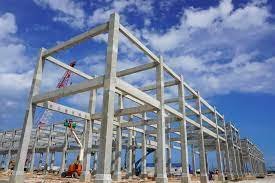
Spread footings play a major role in keeping buildings safe, stable, and long-lasting. They form the base of many structures and help transfer loads from the building to the soil. If the foundation is weak, the entire building can face problems later. That is why engineers choose footing types carefully based on soil conditions, building weight, and project requirements.
In this blog, you will learn about spread footing, why they matter, and the different types commonly used in construction projects today. The goal is to help you understand each footing type in simple and clear language.
What Are Spread Footings?
Spread footings are shallow foundations that spread the weight of a building over a large area. They are usually made of reinforced concrete and placed close to the ground surface. The wide base helps distribute loads evenly so the soil can support the structure without sinking or cracking.
These footings work well for small to medium-sized buildings where the soil has enough strength to carry the building load. Because they are simple to build and cost-effective, they are one of the most widely used foundation systems in the construction industry.
Why Spread Footings Are Important
Spread footings offer many benefits that make them popular in residential, commercial, and light industrial projects. Some key advantages include:
- They are cost-effective compared to deep foundations.
- They are easy to design and construct.
- They require less excavation.
- They work well in areas with stable soil.
- They provide strong and reliable support for columns and walls.
Because of these advantages, contractors often prefer spread footings for projects where ground conditions are suitable.
Types of Spread Footings Used in Construction
Different types of spread footings serve different purposes. Engineers select the right footing type after checking soil strength, structural loads, and site conditions. Below are the main types of spread footings used in construction projects.
1. Isolated Footings (Single Footings)
Isolated footings are used to support individual columns. They are the most common and basic type of spread footing.
Where They Are Used
- Homes
- Small buildings
- Warehouses
- Light commercial projects
These footings usually come in square, rectangular, or circular shapes. Engineers design them based on the load of the column and the soil bearing capacity.
Why They Are Useful
Isolated footings are simple, affordable, and effective. They work best when columns are spaced far apart and the soil can support the load without excessive settlement. Because they support only one column, they are easy to build and require minimal materials.
2. Combined Footings
Combined footings support two or more columns. They are used when columns are located close to each other or when isolated footings cannot be used safely.
Where They Are Used
- When a column is near a property boundary
- When column spacing is tight
- When column loads are uneven
- When soil has limited bearing capacity
Types of Combined Footings
- Rectangular Combined Footing
- Trapezoidal Combined Footing
The shape depends on the load distribution. Combined footings help balance loads between columns and provide extra stability where isolated footings are not suitable.
3. Continuous Footings (Strip Footings)
Continuous footings support a long structural wall rather than individual columns. These footings run continuously under the wall to distribute the load evenly.
Where They Are Used
- Load-bearing walls in homes
- Masonry buildings
- Basement walls
- Retaining walls
Why They Are Useful
Continuous footings are economical and easy to build. They provide stable support for walls and prevent cracks that may form due to soil settlement. This makes them a reliable choice for residential and low-rise construction.
4. Strap Footings (Cantilever Footings)
Strap footings connect two isolated footings using a reinforced concrete strap beam. This strap beam transfers loads and helps balance column pressures.
Where They Are Used
- Buildings near property lines
- Structures with limited space
- Projects where one footing cannot be centered under a column
Why They Are Useful
Strap footings provide stability when a column is near a boundary or obstruction. The strap beam helps distribute the load evenly so the building stays stable and does not tilt. This type of footing is common in urban projects where space is tight.
5. Mat Footings (Raft Foundations)
Mat footings, also known as raft foundations, cover the entire area under the building. They act as one large foundation slab that supports multiple columns and walls together.
Where They Are Used
- Large commercial buildings
- Factories
- Buildings on weak soil
- Structures with heavy loads
Why They Are Useful
Mat footings distribute loads evenly across a wide area, which reduces differential settlement. They are ideal when soil conditions are poor or when loads from the structure are very high. Although they require more concrete, they provide strong and stable support for heavy structures.
6. Stepped Footings
Stepped footings are used on sloped or uneven ground. They include several steps that help maintain the required footing level without excessive excavation.
Where They Are Used
- Buildings on hillsides
- Construction on uneven land
- Projects where leveling the site is not practical
Why They Are Useful
Stepped footings reduce the amount of soil that needs to be cut or filled. They provide stability and allow construction on slopes without major land modification. They also help distribute loads evenly, even when the ground is not level.
How Engineers Choose the Right Type of Spread Footing
Selecting the correct type of spread footing is important for building safety and durability. Engineers consider several factors, including:
1. Soil Bearing Capacity
The soil must be strong enough to support the building. Weak soil requires larger or special footings.
2. Building Load
Heavier buildings need stronger and larger footings.
3. Column Spacing
Footing design changes based on how far columns are from each other.
4. Site Conditions
Slopes, property boundaries, and underground utilities all affect footing selection.
5. Budget and Material Availability
Some footings require more concrete and steel, which can increase cost.
6. Local Building Codes
Engineers must follow construction rules and safety standards.
By evaluating all these factors, engineers design the most suitable and safe footing system for the project.
Conclusion
Spread footings are essential components in construction projects. They ensure that buildings remain stable, safe, and long-lasting. From isolated footings for individual columns to mat footings for large structures, each type has its own purpose and advantages. Understanding these footing types helps builders, clients, and engineers make informed decisions about foundation design.
Choosing the right spread footing ensures strong support, reduces settlement, and protects the entire structure from future problems. With proper planning and design, spread footings can provide reliable performance for many years.
