

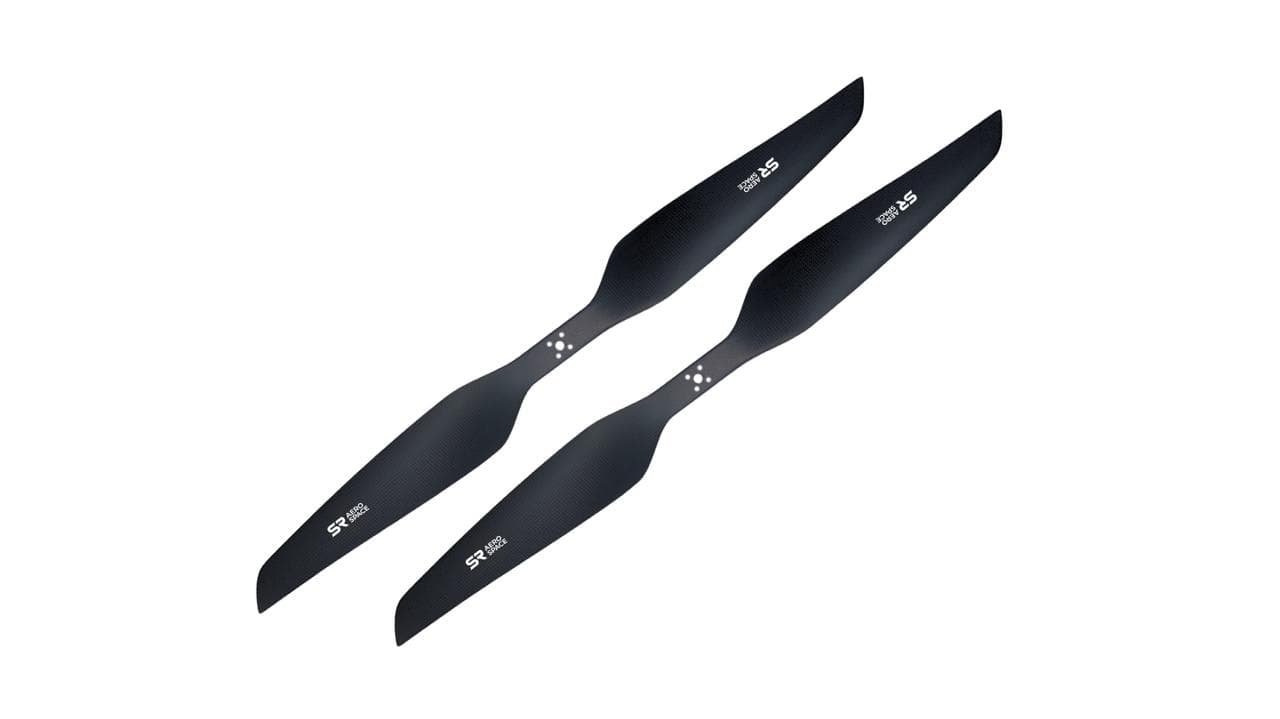
In the fast-paced world of Unmanned Aerial Vehicles (UAVs), propulsion systems are at the heart of technological progress. Whether you’re a UAV manufacturer or operator, grasping the intricacies of these systems can greatly influence your performance, efficiency, and overall mission success. Today, let’s take a closer look at electric propulsion systems and explore their amazing potential in modern aerospace engineering, especially in line with the Make in India initiative.
The Shift Towards Electric Propulsion Technology
The aviation sector is undergoing a significant transformation, with electric propulsion systems emerging as a sustainable and efficient alternative to traditional propulsion methods. These systems play a crucial role in boosting UAV performance while also minimizing environmental impact. By harnessing electric motors, UAVs can operate more quietly, emit fewer pollutants, and cut down on operational expenses. As the call for eco-friendly options grows louder, electric propulsion technology is carving out its place as the future of UAV innovation.
Understanding Electric Propulsion Systems
So, how do electric propulsion systems work? Essentially, they convert electrical energy into mechanical thrust. This process relies on a seamless integration of components—think batteries, motors, and controllers—that together provide precise control over UAV operations. The term propulsion systems underscores the importance of these components working together to deliver unmatched efficiency and performance. For UAV operators aiming to optimize their fleets, electric propulsion systems are truly a game-changer.
Custom Manufacturing Solutions: Tailoring for Excellence
Custom electric propulsion systems offer tailored solutions designed to meet the specific needs of different UAV applications. By personalizing these systems, manufacturers can fine-tune power output, endurance, and payload capacity, ensuring peak performance for various missions. This bespoke approach caters to a wide range of operational demands, from surveillance and mapping to delivery and search-and-rescue missions.
The Advantages of Custom Solutions
1. Performance Optimization: Tailored systems boost flight efficiency, enabling UAVs to travel longer distances while using less energy.
2. Adaptability: Customization allows for the integration of cutting-edge technologies, like AI-driven controls and real-time data processing.
3. Sustainability: By optimizing energy use, these systems help reduce carbon footprints, aligning with global sustainability goals.
With these benefits, custom electric propulsion systems equip UAV operators with the means to push the limits of what’s possible in aerospace engineering.
Pioneering the Make in India Initiative
India is rising as a center for innovation in aerospace technology, largely courtesy of the Make in India initiative, which aims to bolster domestic manufacturing and development. By focusing on producing electric propulsion systems locally, this initiative seeks not just to enhance the country’s technological capabilities but also to lessen dependence on imports. This strategy not only facilitates economic growth but also positions India as a contender in the global UAV market.
Benefits of the Make in India Initiative
– Economic Growth: Encourages local manufacturing, creating jobs and stimulating the economy.
– Technological Advancement: Promotes research and development, fostering innovation in aerospace engineering.
– Strategic Independence: Reduces reliance on foreign technology, enhancing national security.
The Make in India initiative highlights the need for developing advanced propulsion systems that can hold their own on a global stage, ensuring that India stays at the forefront of UAV technology.
Future Trends in UAV Propulsion Systems
As technology continues to advance, several trends are emerging that will shape the future of UAV propulsion systems. These trends include the integration of renewable energy sources, breakthroughs in battery technology, and the evolution of hybrid propulsion systems. By keeping an eye on these developments, UAV manufacturers and operators can ensure their fleets remain competitive and efficient.
Key Trends to Watch
– Renewable Energy Integration: Utilizing solar panels and other renewable sources to extend flight times and lessen reliance on conventional power.
– Battery Innovation: Enhanced battery capacity and faster charging times, which allow for longer missions and reduced downtime.
– Hybrid Systems: A combination of electric and traditional propulsion to optimize performance for specific applications.
By embracing these trends, the UAV industry is set for continued innovation, enhancing operational efficiency and sustainability.
Conclusion
As the UAV landscape evolves, electric propulsion systems will play a pivotal role in future advancements. By offering custom manufacturing solutions and aligning with initiatives like Make in India, the industry is gearing up to redefine aerospace engineering. UAV manufacturers and operators who embrace these innovations will not only enhance their capabilities but also contribute to a more sustainable and technologically advanced future.
With electric propulsion systems, the sky truly is the limit.
