
Buying a ring is exciting, whether it is for yourself, a loved one, or a special occasion like an engagement or anniversary. One of the most common questions people have is, are ring sizes the same for male and female? Understanding this is important to ensure the perfect fit, comfort, and style.
In this guide, we will explain the differences between male and female ring sizes, how to measure fingers accurately, popular sizing charts, and tips for choosing the right ring for any occasion.
Why Ring Size Matters
A properly fitting ring is comfortable and looks good. If a ring is too small, it can pinch the finger or get stuck. If it is too big, it may slip off easily and get lost. This is why knowing whether are ring sizes the same for male and female is important before purchasing a ring.
Ring size affects:
- Comfort during daily wear
- Ring safety and security
- Overall appearance and style
- Ease of resizing if needed
Understanding Ring Sizes
Ring sizes are typically measured using numbers or letters depending on the country. For example:
- US/Canada: Numeric scale (4, 5, 6…13)
- UK/Australia: Alphabetic scale (H, I, J…Z)
- Europe: Millimeters (49, 50, 51…)
- Japan: Numeric (7, 8, 9…)
The most common scale used for both men and women in the US is the numeric scale. However, men usually have larger fingers, so their ring sizes tend to be bigger.
Are Ring Sizes the Same for Male and Female?
The simple answer is no. Male and female ring sizes are generally different. Here’s why:
1. Finger Size Differences
Men generally have larger fingers with wider knuckles and longer lengths. Women typically have smaller, narrower fingers.
2. Average Ring Sizes
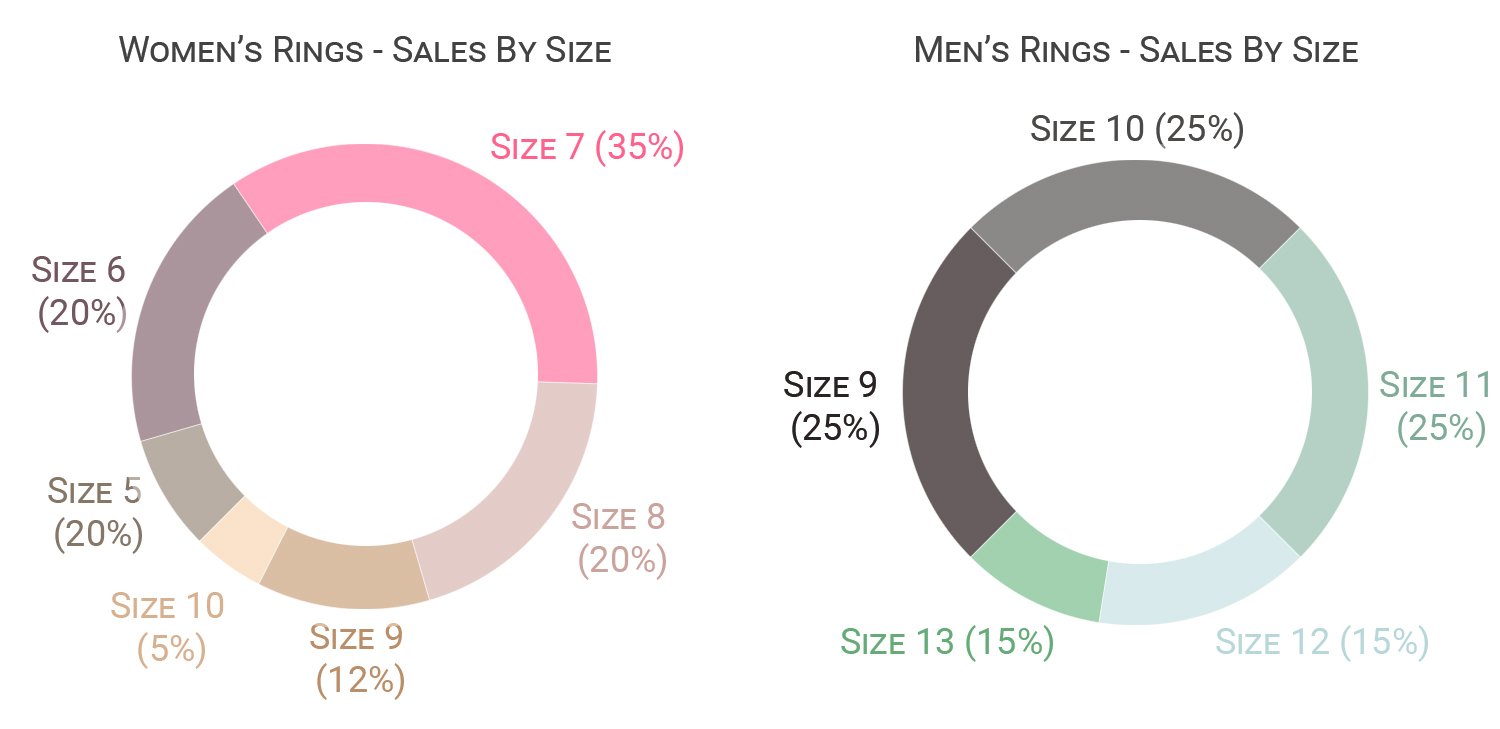
- Women: Usually range between sizes 5 to 7 (US)
- Men: Usually range between sizes 9 to 11 (US)
This shows a clear difference in average sizes. Of course, some people may fall outside these ranges, so individual measurement is always necessary.
3. Style and Design
Men’s rings are often wider, which may require a slightly larger size for comfort. Women’s rings are usually narrower, which allows for a snug fit without discomfort.
How to Measure Ring Size
Measuring accurately is the key to buying the right ring. Here are simple ways to do it:
1. Using a Ring Sizer
You can buy a plastic or metal ring sizer online or from a jewelry store. Slide it onto the finger to find the perfect fit.
2. String or Paper Method
- Wrap a thin string or paper strip around the base of your finger.
- Mark the point where it overlaps.
- Measure the length with a ruler and compare it to a ring size chart.
3. Measuring an Existing Ring
If you already have a ring that fits perfectly, measure its inside diameter and compare it to standard sizing charts.
4. Professional Measurement
Visit a jeweler who can measure your finger precisely using professional tools.
Factors Affecting Ring Size
Several factors can affect your ring size, regardless of gender:
- Temperature: Fingers may swell in hot weather and shrink in cold weather.
- Time of Day: Fingers are often slightly larger in the evening.
- Weight Changes: Gain or loss in weight can change finger size.
- Knuckle Size: Wide knuckles may require a slightly larger ring for easy movement.
Understanding these factors ensures a comfortable and accurate fit.
Tips for Buying Rings for Men and Women
Whether buying for yourself or someone else, keep these tips in mind:
1. Consider Ring Width
Wider rings feel tighter than narrow rings. A 10mm wide ring may need a half size larger than a 3mm band.
2. Measure Fingers Multiple Times
Measure fingers at different times of the day to ensure accuracy.
3. Account for Resizing
Some rings can be resized later. Check if the style allows resizing before buying.
4. Know the Occasion
Engagement rings or wedding bands require precise fitting because they are worn daily. Fashion rings may allow for a slightly looser fit.
5. Choose Comfort First
A ring that looks perfect but feels uncomfortable will not be worn often. Prioritize comfort over style.
Ring Size Charts for Men and Women
Here’s a general guide to US ring sizes:
| US Size | Inside Diameter (mm) | Gender Average |
| 4 | 14.8 | Women |
| 5 | 15.7 | Women |
| 6 | 16.5 | Women |
| 7 | 17.3 | Women |
| 8 | 18.1 | Men |
| 9 | 18.9 | Men |
| 10 | 19.8 | Men |
| 11 | 20.6 | Men |
| 12 | 21.4 | Men |
This shows why are ring sizes the same for male and female is generally answered with no—there is a noticeable difference in average sizes.
Conclusion
Ring sizing is not one-size-fits-all. While some rings can be unisex, most men and women have different finger sizes. Understanding whether are ring sizes the same for male and female helps ensure comfort, proper fit, and satisfaction with your purchase.
Always measure fingers accurately, consider ring width, and consult sizing charts. Whether buying a wedding band, engagement ring, or fashion accessory, choosing the correct size ensures the ring is beautiful, functional, and comfortable for years to come.
