
Walk around Miami long enough and you’ll notice something interesting. A huge number of buildings were built decades ago, long before today’s stricter safety standards became part of everyday property management.
Some still look perfectly fine from the outside. Fresh paint. Clean balconies. Busy parking lots. Yet underneath, age slowly catches up with concrete, wiring, waterproofing, and structural systems.
That’s where 40 year building recertification Miami comes into the picture. The process exists to make sure older buildings remain safe to occupy. Not just visually appealing, actually safe. And in South Florida’s climate, that matters more than most people realize.
Salt air, heavy rain, humidity, and constant heat wear buildings down year after year.
Damage doesn’t always show itself right away either. Problems often build quietly behind walls, under roofs, or inside support structures.
Why These Inspections Matter So Much
A building can operate for years while small issues slowly grow into expensive ones. Water slips into cracks. Steel reinforcement begins to corrode. Electrical systems age out. Sometimes owners don’t notice until repairs become urgent.
Miami-Dade tightened oversight for exactly that reason. Under the 40 year building recertification in Miami-Dade process, older properties must go through detailed inspections performed by licensed engineers or architects.
They check structural components and electrical systems to confirm the building still meets safety standards for continued use.
That sounds straightforward on paper. In reality, the inspection can uncover years of deferred maintenance that nobody wanted to deal with earlier.
What Inspectors Usually Look At
No two buildings age the same way. A waterfront condo faces different stress than an inland office building. Still, inspectors tend to focus on the same core areas.
Structural cracks usually draw attention first. Engineers also examine balconies, concrete slabs, support beams, roofing systems, and signs of moisture intrusion.
Electrical panels, outdated wiring, grounding systems, and fire safety components also get reviewed during the process. Sometimes the findings are minor. Sometimes they turn into major restoration work.
And honestly, that’s the part many owners underestimate. Recertification is not just filing paperwork with the city. It often forces property owners to confront maintenance problems that have been ignored for years.
The Timeline Confuses A Lot of People
People still use the phrase 40 year building recertification in Miami because that’s how the requirement became known over time. But inspection timelines have changed for some buildings, especially those closer to the coastline.
Certain structures may now require inspections earlier than the original 40-year mark. After that, recertification continues on a recurring schedule. The rules depend on location, building type, and local county requirements.
Missed deadlines create problems quickly. Fines can pile up. Insurance complications show up next. Financing can become harder too, especially for older commercial properties already dealing with repair concerns.
Repairs Usually Cost Less When Owners Act Early
Here’s the reality most experienced contractors already know. Small structural repairs almost never stay small forever.
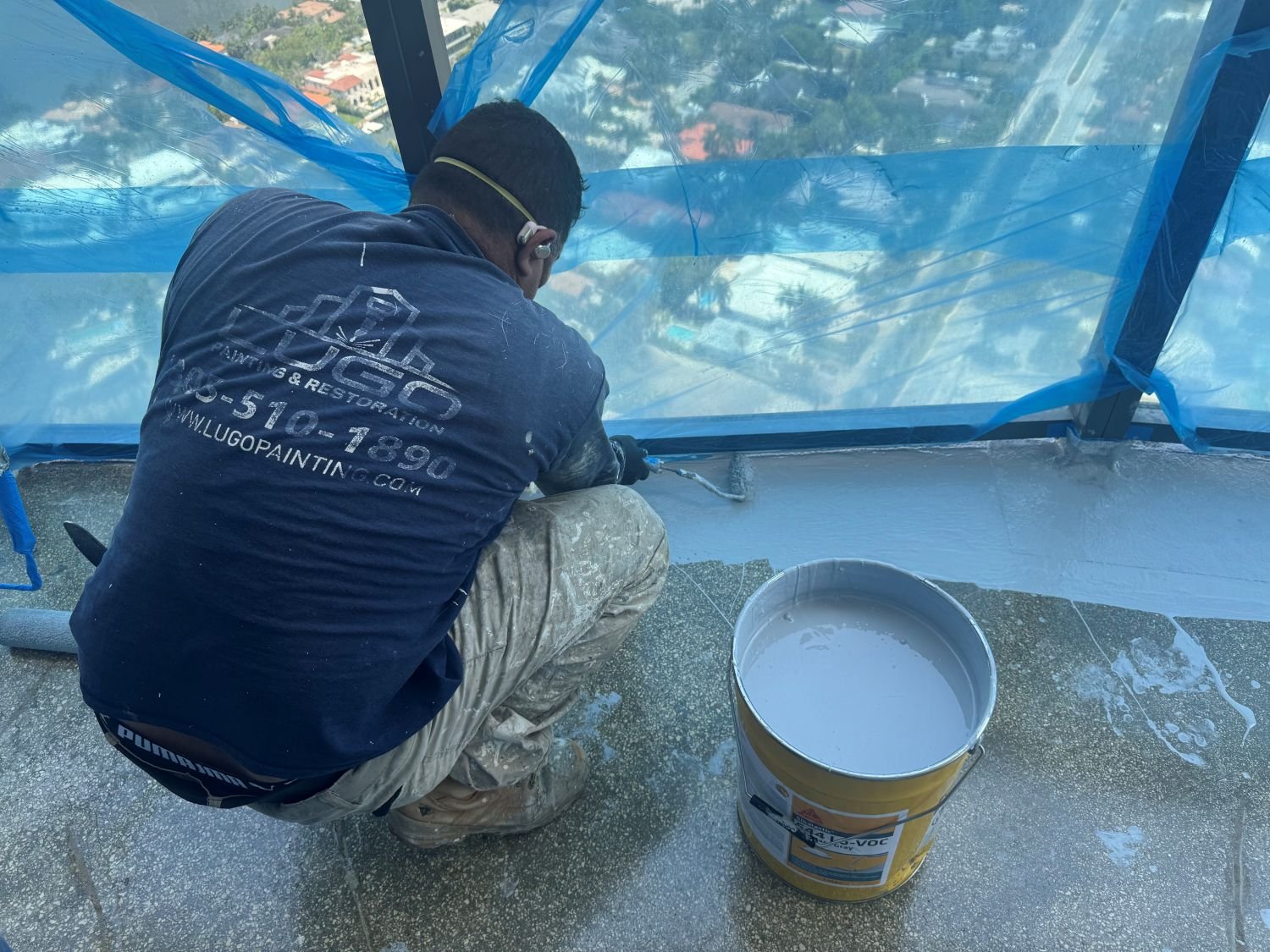
A minor waterproofing issue can eventually damage concrete. Corroded steel spreads. Balcony deterioration gets worse season after season. What could have been handled with preventive maintenance sometimes turns into a major restoration project costing far more than expected.
That’s one reason property managers have started treating inspections differently over the last few years. The smarter approach involves planning ahead instead of waiting for violations or emergency repairs to force action.
Conclusion
In the end, 40 year building recertification in Miami-Dade is more about protecting aging buildings before problems become dangerous, disruptive, or financially overwhelming. If you also own an older building, it’s worth contacting a restoration company.
