
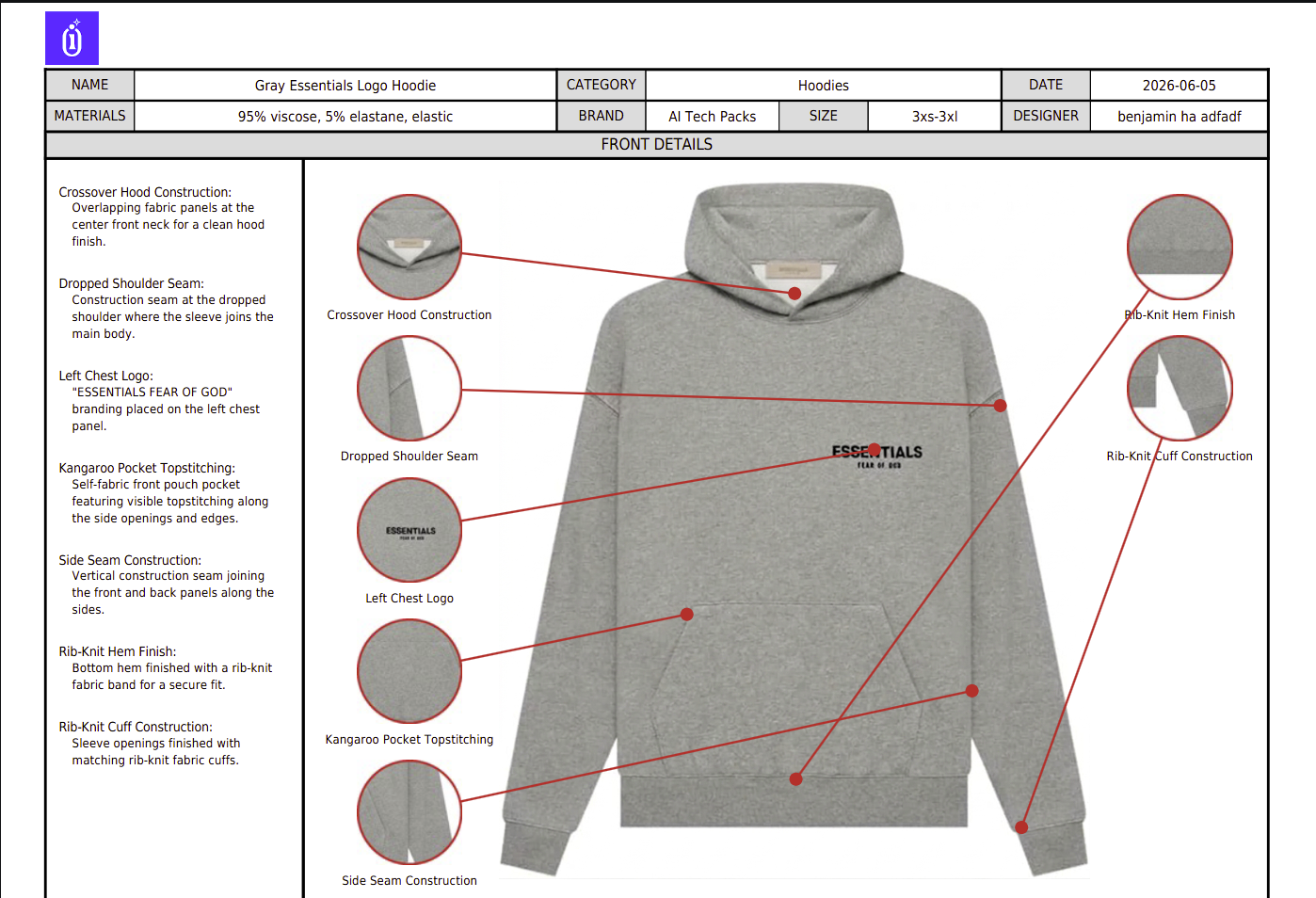
The clothing manufacturing industry depends on precision, consistency, and effective communication. From the initial design stage to final production, every detail must be clearly defined to ensure garments meet quality expectations. One of the most important tools that helps achieve this goal is a techpack. A techpack serves as a detailed blueprint that guides manufacturers through the production process and helps fashion brands turn creative concepts into market-ready products.
A techpack contains all the technical information needed to produce a garment accurately. It includes measurements, fabric details, construction instructions, trim specifications, artwork placement, labels, and packaging requirements. By providing manufacturers with clear guidelines, a techpack minimizes misunderstandings and helps ensure that the final product matches the designer’s vision.
Understanding the Purpose of a Techpack
A techpack is much more than a simple design document. It acts as a communication bridge between fashion designers and clothing manufacturers. Designers often focus on creativity and aesthetics, while manufacturers need precise technical instructions to create garments correctly.
Without a detailed techpack, factories may be forced to make assumptions regarding measurements, materials, or construction methods. These assumptions can lead to errors, delays, and increased production costs. A well-developed techpack eliminates uncertainty by providing all the information required to manufacture a garment efficiently.
Key Components of a Professional Techpack
Every successful techpack includes detailed information that supports the manufacturing process from beginning to end.
- Technical sketches and garment specifications.
- Measurement charts, fabric details, trims, labels, and sewing instructions.
These elements allow manufacturers to understand exactly how a garment should be produced. Detailed documentation also helps quality control teams verify that finished products meet the required standards.
Reducing Production Errors
One of the primary benefits of a techpack is its ability to reduce production mistakes. Manufacturing errors can be costly and may result in wasted materials, delayed shipments, and dissatisfied customers.
When factories receive a complete techpack, they can follow clear instructions instead of relying on interpretation. This significantly reduces the likelihood of mistakes during sampling and production. As a result, brands can save time, lower costs, and improve product quality.
Improving Communication Between Brands and Manufacturers
Effective communication is critical in clothing manufacturing, especially when working with international suppliers. Differences in language, production standards, and business practices can create challenges if product requirements are not clearly documented.
A detailed techpack provides a standardized reference that everyone involved in production can understand. Instead of relying on multiple emails or lengthy explanations, manufacturers can refer directly to the specifications outlined in the document. This streamlined communication process improves efficiency and helps prevent misunderstandings.
Supporting Consistent Product Quality
Consistency is one of the most important factors in building a successful fashion brand. Customers expect garments to maintain the same fit, quality, and appearance across different production runs.
A techpack helps maintain consistency by documenting every aspect of garment construction. Whether production occurs in one factory or multiple facilities, manufacturers can follow the same specifications to achieve uniform results. This consistency strengthens brand reputation and increases customer trust.
Enhancing Sample Development
Sample development is an important stage in the clothing manufacturing process. It allows brands to evaluate garment fit, construction, and overall appearance before moving to full-scale production.
A detailed techpack helps manufacturers create accurate samples on the first attempt. By providing exact measurements and construction guidelines, the document reduces the need for multiple revisions. Faster sample approvals help brands shorten development timelines and bring products to market more quickly.
Helping Fashion Brands Scale Their Operations
As fashion companies grow, managing larger collections and multiple suppliers becomes increasingly complex. Standardized documentation becomes essential for maintaining organization and quality control.
A techpack enables brands to scale efficiently by creating a repeatable process for product development. New suppliers can quickly understand garment specifications, while existing manufacturing partners can continue producing products with consistent quality. This scalability is particularly valuable for brands expanding into new markets or increasing production volumes.
The Role of Digital Technology in Techpack Management
Modern technology has transformed how fashion brands create and manage techpacks. Digital platforms make it easier to update specifications, share information with manufacturers, and maintain accurate records throughout the production cycle.
Digital techpacks improve collaboration among designers, sourcing teams, and factories. Real-time updates ensure that everyone has access to the latest information, reducing confusion and minimizing costly mistakes. As the fashion industry continues to embrace digital solutions, techpacks remain an essential component of efficient product development.
Conclusion
A techpack is a critical tool for successful clothing manufacturing. It improves communication, reduces production errors, enhances product consistency, and supports business growth. By providing detailed technical specifications, a techpack allows manufacturers to produce garments accurately and efficiently while helping fashion brands maintain high-quality standards. For any company involved in clothing manufacturing, investing in a professional techpack is a smart strategy that can lead to better products, smoother production processes, and long-term success.
