
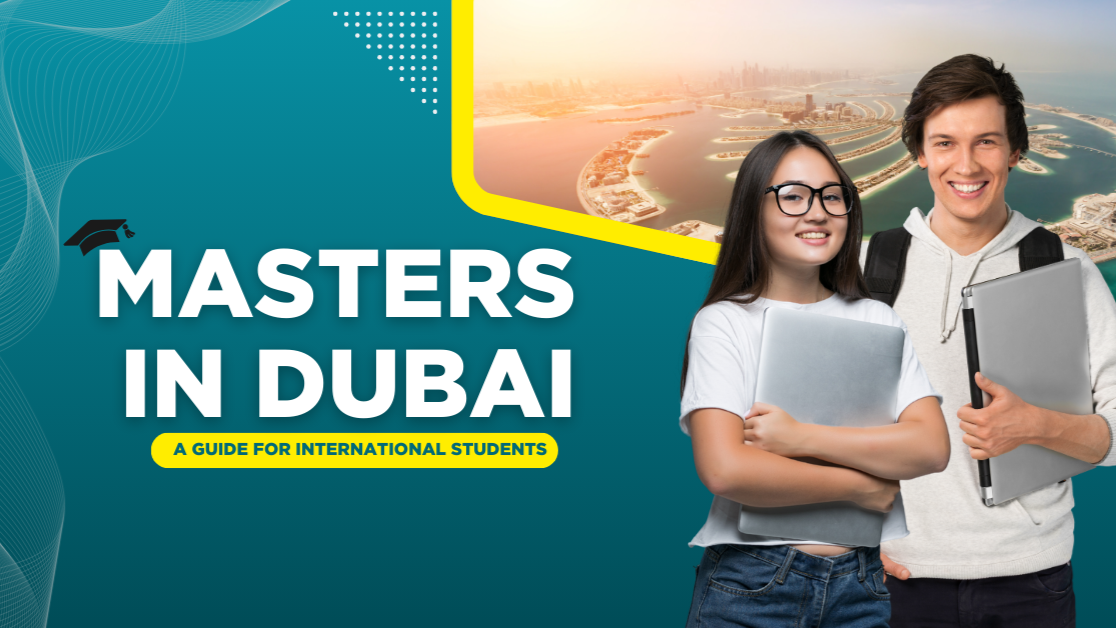
Indian professionals are increasingly exploring global education options that offer clear career outcomes. Among emerging destinations, Dubai stands out for its strong business ecosystem and proximity to India. Many now consider pursuing a Master’s in Dubai for Indian students a practical option that combines education with employment opportunities. The decision is often influenced by career progression, faster entry into global roles, and access to industries that are actively hiring skilled graduates. This shift reflects a growing preference for destinations that offer both learning and career continuity.
Dubai as a Global Career Hub
Dubai has emerged as a leading international business and employment hub, connecting Asia, Europe, and Africa. The city hosts regional offices of multinational companies across finance, technology, logistics, and hospitality, offering ample career opportunities. For Indian professionals, studying or working in Dubai provides exposure to global work practices, networking possibilities, and industry insights without relocating far from home. Strategic economic zones and industry clusters ensure consistent job growth, while Dubai’s location allows easy access to multiple regional markets, enhancing career mobility and professional development.
How a Master’s in Dubai Strengthens Career Outcomes
Pursuing a Master’s degree in Dubai enhances employability by combining academic learning with practical exposure. The programmes focus on aligning education with industry needs, ensuring students gain skills that are immediately relevant to the job market.
Key Advantages:
- Industry Collaboration: Courses are designed in partnership with companies to reflect current market trends.
- Practical Experience: Internships, live projects, and part-time work provide hands-on exposure.
- Networking Opportunities: Direct connections with potential employers strengthen career prospects.
- Enhanced Adaptability: Exposure to diverse work environments improves flexibility and job readiness.
This approach helps Indian professionals accelerate career growth and successfully transition across roles or sectors.
Cost vs Career Return: A Practical Evaluation
When evaluating international education, financial planning is a key consideration. A Master’s in Dubai is generally more cost-effective than programmes in the USA or the UK, particularly because of shorter course durations. Tuition fees and living expenses vary by university and personal lifestyle. Understanding the cost of Master’s in Dubai and potential career returns helps professionals make informed decisions.
| Factor | Description |
| Tuition Fees | Varies based on programme and university reputation |
| Living Expenses | Depends on accommodation type and personal spending |
| Course Duration | Shorter programmes reduce overall education costs |
| Workforce Entry | Earlier entry improves earning potential |
Balancing these factors, a Master’s in Dubai can provide an efficient path for professionals who want to optimise both education investment and career outcomes. This makes it particularly suitable for those prioritising shorter study periods with quicker workforce entry.
Academic Structure Aligned with Industry Needs
Universities in Dubai offer a wide range of Master’s programmes across business, engineering, data science, and management fields. Many institutions operate as international branch campuses, maintaining global academic standards.
Courses often include case studies, group assignments, and applied learning methods. This approach helps students develop skills that are directly relevant to the workplace. Flexible schedules in some programmes also support working professionals who wish to study alongside their jobs. This flexibility ensures continuity in both learning and professional development.
Key Considerations for Indian Applicants Before Choosing Dubai
Indian applicants should assess a few essential factors to ensure their decision aligns with their career and academic goals. Careful evaluation helps avoid delays and ensures preparedness for both study and work.
- Admission Requirements: Review academic records and English proficiency scores to meet programme criteria.
- Visa Process: Understand that the visa is usually facilitated by the university, and follow the required steps.
- Financial Planning: Account for tuition fees, living expenses, and other costs to ensure affordability.
- Programme Selection: Choose courses that align with long-term career objectives and industry relevance.
By addressing these considerations, Indian students can make informed decisions, manage expectations effectively, and optimise their outcomes in Dubai.
Who Should Consider Dubai for a Master’s Degree
Dubai may not suit every student, but it is particularly relevant for specific groups of learners and professionals.
- Working professionals seeking career advancement in a shorter time frame
- Fresh graduates looking for industry-oriented education
- Individuals targeting employment opportunities in the Middle East
- Candidates seeking international exposure with practical learning
For many of these individuals, a Master’s in Dubai for Indian students offers a balanced pathway that combines academic development with career progression. It is especially useful for those who prefer a direct link between education and employment.
Conclusion
Pursuing a Master’s degree in Dubai offers a clear connection between education and employment. Its business environment, industry-focused courses, and shorter study durations make it a practical option for Indian professionals. When assessed against career goals and financial considerations, Dubai presents a strong case for those seeking global exposure with quicker entry into the workforce. Careful planning and the right programme choice can help maximise the value of this decision and support long-term professional growth.
